_result.jpg)




Eco friendly removals Lee donate reuse and recycle
Posted on 16/08/2026
Eco friendly removals Lee donate reuse and recycle: a practical guide for a cleaner, calmer move
Moving home can create a surprising amount of waste. Boxes pile up, old furniture suddenly looks too bulky to justify, and you start asking the awkward question: do we really need to throw all this away? That is exactly where Eco friendly removals Lee donate reuse and recycle comes in. It is a smarter way to move, one that keeps useful items in circulation, reduces landfill, and makes the whole process feel a bit more thoughtful. To be fair, it also tends to make moving day less chaotic.
If you are planning a move in Lee, or just trying to clear a property without sending half the contents to the tip, this guide walks you through the full process. We will cover how to sort items for donation, reuse, and recycling, how to avoid common mistakes, what to do with awkward furniture and appliances, and how to plan a move that feels orderly rather than wasteful. Along the way, you will also find practical links to useful pages such as recycling and sustainability support, decluttering techniques for a move, and house removals in Lee.
Why Eco friendly removals Lee donate reuse and recycle Matters
Eco-friendly moving is not just a nice extra. It is a practical response to how much stuff typically comes out of a house, flat, or office during a move. In Lee, where many moves involve a mixture of family homes, flats, student lets, and compact properties, the "just bin it" approach can become expensive, wasteful, and frankly a bit messy. One person's unwanted chair can be another person's perfectly usable item.
When you plan removals around donation, reuse, and recycling, you make decisions earlier. That matters because the worst waste tends to happen at the last minute, when people are tired, short on time, and surrounded by boxes that all look the same. We have all seen it: a sofa on the landing, a lamp with no shade, three black bags of mixed items, and a quiet panic setting in. A greener approach gives you structure.
It also matters for the local area. Lee sits within a wider London context where access, traffic, parking, and bulky item disposal can all make poor planning feel even worse. If you have ever tried to move a worn-out wardrobe down narrow stairs while the clock is ticking, you will know the feeling. Doing a little sorting before removals day is often the difference between a smooth handover and a stressful scramble.
There is a trust element too. A removal plan that prioritises reuse and recycling shows care, not just efficiency. It shows you are handling the move responsibly, and that is especially useful if you are a tenant, landlord, family seller, or business trying to leave a property clean and ready. For more on end-of-move readiness, see the essential steps for a perfect moveout clean.
How Eco friendly removals Lee donate reuse and recycle Works
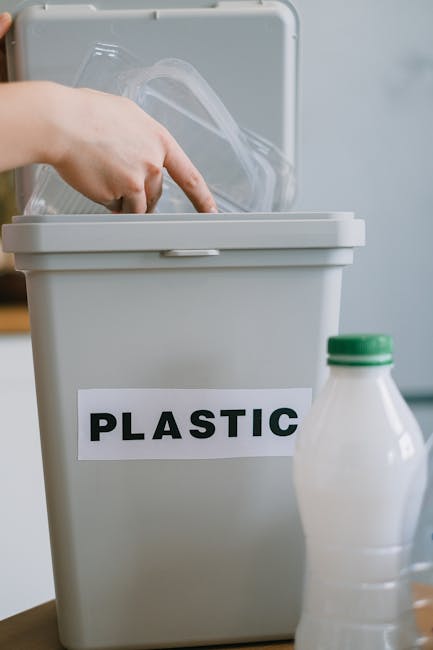
At its simplest, the process is about triage. You sort each item into one of four paths: keep, donate, reuse, or recycle. The idea is not to make the move more complicated. It is to stop value from being thrown away unnecessarily.
Here is how it usually works in practice:
- Keep items that still have a clear place in the new property.
- Donate items that are clean, safe, and likely to be used again by someone else.
- Reuse items that can be repurposed, repaired, or passed to family, friends, or a new tenant.
- Recycle items that cannot be reused but can still be broken down into material streams.
That sounds simple, but the details matter. A chest of drawers with loose runners may be fine for reuse after a small repair. A mattress, on the other hand, is often a poor donation candidate unless it meets the receiving organisation's standards. Electrical items need extra care. Fridges and freezers must be handled properly, and if they are going into storage before reuse, the right prep is essential; our guide on storing a freezer correctly is helpful here.
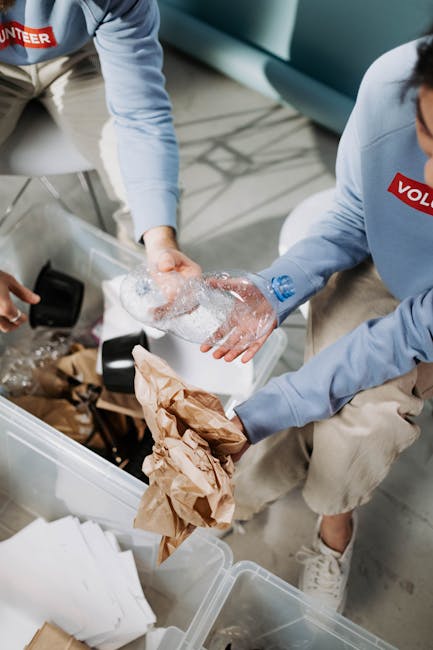
A good eco-friendly removal plan also starts before the van arrives. If possible, separate items in advance. Tape a note to things you are giving away. Keep donation bags together. Set aside recyclables in a visible area. It saves time, reduces mix-ups, and makes the loading process feel much calmer. If you need help packing what stays, the article on streamlined packing methods is a solid companion read.
For bulky furniture, the decision often comes down to condition, transportability, and whether the item is genuinely worth moving. A sturdy dining table may be worth reusing; a warped wardrobe with missing fittings probably is not. And that is fine. Not everything needs a second life, but more items do than people assume.
Key Benefits and Practical Advantages
There are obvious environmental gains, but the practical benefits are just as strong. If you are planning a move in Lee, you will probably notice these wins quickly.
| Approach | Main benefit | Best for | Watch out for |
|---|---|---|---|
| Donate | Useful items stay in circulation | Good-quality furniture, household goods, clothes | Acceptance criteria, cleanliness, timing |
| Reuse | Reduces replacement costs | Items for family, friends, resale, or repurposing | Transport damage, storage space |
| Recycle | Diverts materials from landfill | Broken, non-donateable, material-specific items | Mixed materials, contamination |
| Responsible disposal | Keeps the move tidy and compliant | Unsafe or unsalvageable items | Bulky waste rules and access issues |
One major advantage is control. A greener removal process helps you decide what is really worth paying to move. That can trim the load, reduce van space used, and avoid paying to transport items you were never going to keep. It can also make quotes more accurate, especially if you are comparing different moving options through pricing and quotes.
Another benefit is emotional. That sounds a bit soft, maybe, but it is real. Letting go of clutter in a structured way often makes the move feel less like a forced reset and more like a fresh start. The room looks lighter. The hallway breathes. You notice the floor again.
There is also a practical safety benefit. Less clutter means fewer trip hazards, fewer heavy lifts, and fewer chances of damaging walls, stair rails, or the item itself. If you are moving awkward furniture or heavy objects, you may also want to read how to safely manage heavy objects solo and the dynamics of kinetic lifting explained.
Who This Is For and When It Makes Sense
This approach suits more people than you might think. In fact, if you are moving anything bigger than a suitcase, it usually makes sense to think this way at least a little.
- Home movers who want a cleaner, less cluttered move.
- Flat movers dealing with tight stairs, lifts, and limited storage.
- Students who are downsizing or moving out with limited space and budget.
- Landlords and tenants preparing for check-out or handover.
- Office movers clearing desks, chairs, tech, and filing systems.
- Anyone with bulky furniture that is too good to waste but too awkward to ignore.
It is especially sensible when you are already decluttering. If you are reducing household size, moving from a house to a flat, or changing a family setup after years in the same place, donation and reuse can remove a lot of decision pressure. For smaller or more complex moves, flat removals in Lee and student removals in Lee often benefit from this approach because every square metre matters.
It also makes sense when access is tricky. In parts of Lee, a narrow hallway or top-floor flat can make every extra item feel heavier. If that sounds familiar, Lee High Road flat removals with narrow access solutions is worth a look.
Truth be told, if your move includes a "we will deal with that later" pile, this is the time to stop and deal with it. Later has a habit of becoming moving day.
Step-by-Step Guidance
If you want this to work without turning into a weekend-long ordeal, use a simple sequence. No fancy system required. Just be methodical.
- Walk the property room by room. Make a rough list of what you are keeping and what could be donated, reused, or recycled.
- Separate items early. Put donation items in one corner, recyclables in another, and keepables where they belong.
- Check condition honestly. Ask yourself whether you would happily receive the item yourself. Slightly brutal, but useful.
- Clean items before passing them on. Dust, marks, crumbs, and loose bits matter. A clean item is far easier to donate or reuse.
- Disassemble where sensible. Furniture that comes apart safely is easier to move and easier to reuse.
- Set aside fragile or specialist items. Mirrors, pianos, and delicate furniture often need extra planning. See piano removals in Lee if you have one of those big, beautiful problems.
- Book the right removal support. Make sure the mover understands which items are staying, donating, recycling, or going to storage.
- Confirm final handover timing. This matters if you are moving out, changing tenants, or handing an office back.
A practical tip: label each item or bag with a simple word. Donate. Recycle. Keep. That one small habit prevents a lot of confusion, especially when friends, family, or movers are helping. It sounds almost too basic, but it works.
If you are unsure what to do with the rest of the move, the broader services overview can help you match the right kind of support to the job.
Expert Tips for Better Results
Once you have the basics in place, a few small adjustments can make the whole process more efficient. These are the kinds of things that save time on moving day and reduce the chance of a last-minute rethink.
- Start with the biggest items first. Large pieces shape the whole move. Once they are sorted, everything else becomes easier.
- Use the "one-touch" rule. If you pick something up, decide its destination immediately instead of moving it from pile to pile.
- Prioritise items with real reuse value. Solid wood furniture, functional appliances, and quality homeware tend to be better candidates than worn soft furnishings.
- Avoid mixing recyclable items with general waste. Contamination is a common reason good materials get thrown away.
- Leave time for awkward items. Rugs, bikes, broken furniture, and old storage units always take longer than they first appear.
- Be realistic about storage. If you are keeping something "just in case," think hard about whether it earns the space. For some items, storage options may be useful, but only if the item is genuinely worth saving.
One thing we often tell people: do not wait until the truck is outside to make emotional decisions. That is how sensible plans go sideways. By late afternoon, everyone is tired, and even a chair can become a philosophical debate.
If the move is time-sensitive, some people combine greener sorting with a faster move service. For example, same day removals in Lee can still be organised around donation and recycling, as long as you have separated items beforehand. Planning early helps a lot.
For businesses, the same principles apply. Office clear-outs are often full of desks, monitors, shelves, and mixed materials. A structured approach keeps the process tidy and reduces waste, especially during office removals in Lee.
Common Mistakes to Avoid
A greener move is usually simple, but a few mistakes can undermine the whole effort. The good news? They are easy to dodge once you know what to look for.
- Leaving sorting until the last day. That almost always leads to waste.
- Assuming everything can be donated. Donation outlets usually have condition rules, hygiene standards, and capacity limits.
- Mixing categories together. A bag with textiles, batteries, and general rubbish inside is a problem, not a solution.
- Ignoring bulky item logistics. A heavy wardrobe or sofa needs more than goodwill.
- Forgetting access restrictions. Parking, stairwells, and tight hallways can all slow the process down.
- Not checking whether items are safe to pass on. Loose screws, unstable frames, and damaged plugs are not reuse-ready.
Another common issue is overpacking the "keep" pile because you do not want to decide. That is understandable, honestly. Moving is tiring, and no one wants to spend an hour debating a cracked lamp base. But indecision has a cost. It adds volume, time, and stress.
People also underestimate how much recycling work can be created by poor packing. Broken glass in a mixed bag, tangled cables, and damp cardboard all make the recycling stage harder. If packing is part of your challenge, packing and boxes in Lee can help you organise materials properly from the start.
And one more thing: do not guess at what a council will accept for bulky waste or what can be left on the kerb. Rules vary and can change. It is better to check carefully than to rely on a half-remembered conversation from three years ago.
Tools, Resources and Recommendations
You do not need a truckload of equipment to run an eco-friendly move well. A few simple tools are enough.
- Labels or marker pens for marking donate/reuse/recycle piles.
- Strong reusable boxes for separating keepers from clear-outs.
- Bubble wrap, paper, or blankets for protecting items that are being reused.
- Tape and zip ties for bundling cables and hardware together.
- Basic cleaning supplies so items are donation-ready.
- Gloves and suitable footwear for lifting and sorting safely.
For larger moves, it can also help to use a checklist alongside your room-by-room sort. If the items are heavy or awkward, combine this with the right moving support from removals in Lee or man and van in Lee, depending on the scale of the job.
A few useful internal pages worth keeping in mind:
- recycling and sustainability guidance for a greener move mindset
- decluttering techniques before moving
- packing methods that reduce stress
- furniture removals in Lee for bulky items that still need careful handling
- about us if you want to understand the people behind the service
If you are comparing providers, also look at insurance, handling standards, and whether the team is comfortable working around donation and recycling plans. A cheap move is not cheap if it creates damage or waste.
Law, Compliance, Standards, or Best Practice
This topic touches on disposal, transport, safety, and responsible handling, so it is worth being careful. The exact rules can vary depending on item type, local authority guidance, and the receiving organisation's requirements. In the UK, the safest approach is to treat donation and recycling as planned actions rather than assumptions.
Best practice usually means the following:
- Donate only suitable items that are clean, functional, and accepted by the recipient.
- Recycle according to material type where possible, rather than mixing everything together.
- Handle electrical and bulky goods responsibly and avoid leaving items out without checking the rules.
- Protect workers and property by using safe lifting, correct loading, and sensible access planning.
- Use insured removal support for items that are valuable, fragile, or difficult to move.
There can also be tenancy and property-handover expectations to think about. Leaving unwanted items behind is rarely a good idea unless it has been agreed in advance. The same goes for offices and commercial spaces. If there is a disposal requirement, it is usually better to document the plan and keep everything tidy.
If a move involves specialist items, take extra care. Pianos, for instance, should not be treated like standard furniture. They need proper handling, and that is where specialist piano removals in Lee are a far safer choice than improvising with a couple of friends and a tired back.
For risk and protection, it is also sensible to review insurance and safety information before booking. And if you want to understand how your data is handled during enquiries, privacy policy details and payment and security information are worth a quick look too.
Options, Methods, or Comparison Table
There is no single right way to organise an eco-conscious move. The best method depends on the item, the timeline, and how much effort you want to put in before moving day. Here is a clear comparison.
| Method | Pros | Cons | Best use case |
|---|---|---|---|
| Donate locally | Fast, socially useful, reduces waste | Not all items accepted, needs good condition | Furniture, textiles, home goods, usable extras |
| Reuse within your network | Simple, cost-effective, personal | Can be slow if nobody needs the item | Quality furniture, appliances, household items |
| Recycle through correct streams | Responsible, reduces landfill | Needs sorting and may take planning | Materials, broken items, mixed household waste |
| Use a full removal service with sorting | Efficient and less stressful | Costs more than DIY | Larger moves or time-sensitive property handovers |
| DIY disposal only | Full control | Time-consuming, easy to make errors | Very small clear-outs or highly specific loads |
For many people, the best answer is a mix. Donate what you can, reuse what fits your new place, recycle the rest properly, and use a removal team for the heavy lifting. That blended approach is often the most realistic one. Perfectly green in every corner? Maybe not. But much better than the default rush-and-bin method.
Case Study or Real-World Example
Imagine a two-bedroom flat move in Lee. The household has a sofa, a dining table, a bookcase, several boxes of books, an old microwave, some kitchenware, and a stack of clothes that no one has worn for years. The first instinct might be to wrap everything and send it all out on the van. Easier in the moment, yes. But not ideal.
Instead, the move is split into simple categories. The sofa is checked for condition; if it is still solid and clean, it is kept or offered for reuse. The dining table goes with the move because it suits the new space. The bookcase is donated after a quick wipe-down. Clothes are sorted into reusable and recyclable bags. The microwave is checked for whether it is still working and, if not, is set aside for the correct recycling route. Books are boxed up for a local reuse option or kept if there is room.
The result is a lighter load, less van space used, fewer unwanted items travelling unnecessarily across London, and a calmer unpacking process at the other end. You also end up opening boxes in the new place that contain things you actually want. That matters more than it sounds. Nobody enjoys paying to move clutter just to unpack it again three days later.
This is especially helpful on smaller jobs, such as a studio flat handover or a student move, where space is tight and deadlines are unforgiving. If that sounds close to your situation, studio flat removals in Lee High Road and end-of-tenancy removals from Blackheath to Lee show how streamlined planning can make a big difference.
Practical Checklist
Use this checklist a few days before moving day. It is short on purpose.
- Sort items into keep, donate, reuse, recycle, and dispose categories.
- Clean anything you plan to pass on.
- Remove personal data from electronics before recycling or donation.
- Separate cables, batteries, and small accessories.
- Check whether bulky items need specialist handling.
- Label all boxes and bags clearly.
- Confirm what the removal team is taking and what is staying behind.
- Arrange storage only for items that are genuinely worth keeping.
- Review access, parking, and timing before the move.
- Keep your important documents and essentials with you.
That is the core of it. If you work through those steps, you have already done more than most people do before a move, and it will show.
Get a free quote today and see how much you can save.
Conclusion
Eco-friendly removals are not about being perfect. They are about being deliberate. In Lee, where moves can be compact, fast-moving, and sometimes a bit awkward, the simple habit of donating, reusing, and recycling can save time, reduce waste, and make a home move feel much more controlled.
When you decide early, label clearly, and choose the right support for bulky or specialist items, the whole experience becomes easier. Less clutter. Less stress. More useful stuff staying useful. That is a pretty good trade, really.
If you are preparing a move now, start with the items that are easiest to sort and build from there. Small wins first. The rest tends to follow.