Man With A Van in Lee

Our man with a van in Lee service is set up for straightforward local moving support, careful item handling and practical transport when you need a load collected, delivered or shifted between addresses. We help with the kind of jobs that benefit from a flexible vehicle and hands-on loading, including furniture moves, single-item collections and small household removals. The aim is simple: provide a clear, usable service that keeps the moving day organised without unnecessary complexity.
That can suit people moving a few rooms’ worth of belongings, a student relocating, or anyone who needs help transporting bulky items that are awkward to move alone. Because every job is different, the service can be arranged around access, item size and the amount of loading required. If you are comparing options, it is often useful to think first about what needs moving, then about the vehicle size and handling support needed to move it safely.
Request a quotation when you are ready to share the details of your move. A short description of the items, collection point and delivery point is usually enough to start planning, and it helps us shape the service around the actual work rather than a generic package.
Household moving support
For domestic jobs, our moving work is centred on the practical side of getting household items from one place to another. That may include beds, wardrobes, sofas, tables, white goods and box loads, along with smaller possessions that still need careful handling. A man and van approach is often chosen when the move does not require a full removal lorry, but still needs more than a simple car journey.
Household removals can be organised as a partial move or as a fuller transport service depending on how much you want carried. Some customers only need help with the largest pieces; others want a stronger support level that includes loading and unloading. It is useful to think about the flow of the day: what comes out first, what should travel together, and whether there are items that need extra wrapping or protection before they are loaded.
If you are preparing for a domestic move, a short item list helps to shape the work. Measure large furniture where possible, note any tight stairways or parking limits, and separate fragile items from general boxes. These details help keep the moving process practical, and they make it easier to plan the right approach for the job.
Furniture and item collection

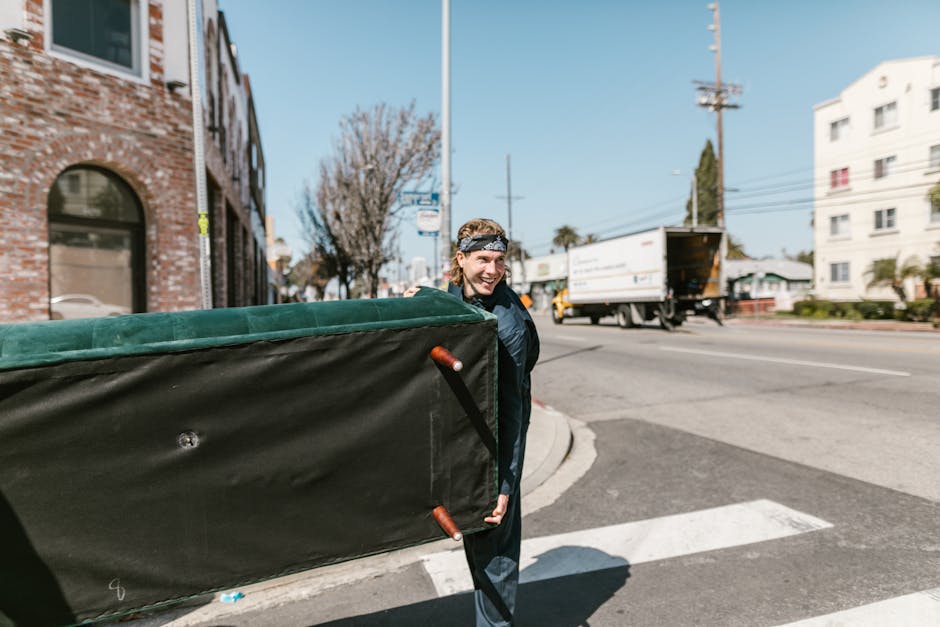
Our furniture pick-up work is suitable when you have one or more larger items that need collecting and delivered to a home, storage space or another address. This can include marketplace purchases, shop collections and private sales, as well as pieces that are being moved from one property to another. The focus is on secure loading and sensible positioning in the van so that the item travels without avoidable movement.
Single-item transport can still need proper planning, especially if the piece is heavy, awkward or delicate. Sofas, cabinets and dining furniture often need two-person handling, while smaller items can be quicker but still benefit from being stacked and anchored properly. We treat each collection as a transport job in its own right, rather than assuming every load is the same because it is small.
When you ask for a quote, it helps to mention whether the item needs to be moved upstairs or downstairs, whether it is boxed or assembled, and whether there are any access restrictions at either end. You do not need to write a full inventory, but a few clear details can make the estimate more accurate and reduce avoidable surprises on the day.
Home removals and moving days
Home removals are often about more than simply lifting items into a vehicle. They involve sequencing the load, protecting surfaces where needed and making sure the right pieces are handled in the right order. A smaller removal service can be especially useful for flats, first homes and compact properties where the furniture count is moderate but the move still needs careful organisation.
We can support different home-moving arrangements, from carrying a few bulky items to helping with a fuller household load. The best fit depends on the scale of the move, the type of contents and the access at both locations. If you need to move part of a home now and the rest later, that can often be planned as two separate transport runs rather than forcing everything into one hurried trip.
Good preparation is usually about clarity rather than volume. Keep together the items you need immediately, identify anything that should travel separately, and make sure the route in and out is as clear as possible. If you are unsure how to describe the job, it is fine to keep it simple and ask for guidance on the most suitable moving option.
Commercial and office moving work
Our commercial moves and office removals are intended for business contents that need relocating with minimal fuss. That may include desks, chairs, filing cabinets, stock, archived boxes or IT-related items that can be transported safely when packed correctly. The work is often about keeping the move orderly so that the business can continue operating with as little disruption as possible.
Office relocation services often need a more structured approach than household jobs because furniture, paperwork and equipment may have to be moved in stages. Some customers want a single collection and delivery, while others prefer a phased move that fits around working hours, access windows or building rules. We can discuss which elements need to travel together and which ones are better kept separate.
Before you request a quotation, it is worth noting whether there are lifts, loading bays, security checks or timed access arrangements at either end. Those practical details help define how the move should be carried out, and they also help us assess the likely loading time and transport needs without overcomplicating the enquiry.
Moving help in practice

Some jobs are best understood by the kind of moving help they need rather than by the size of the property. A compact van removal can work well for a short-notice collection, an item transfer between addresses or a move where the contents are light but awkward. The same vehicle type can also be useful when access is tight and a larger removal truck would be harder to park or manoeuvre.
Our service can also cover moving van support for situations where transport is the main task and the loading plan needs to stay flexible. That means the job can be adapted to the contents rather than forcing the contents to fit an inflexible setup. For some customers, this is the simplest way to move furniture, appliances or mixed household items without booking more vehicle space than needed.
When comparing options, it helps to decide whether your priority is capacity, handling support or a practical balance of both. If the items are straightforward and well packed, a simpler service may be enough. If the load includes fragile pieces or furniture that needs better positioning, it is sensible to allow for a more careful approach from the start.
Packing, access and preparation
Packing and unpacking services can be useful when you want extra help getting items ready for transport or putting them in place at the other end. Not every job needs full packing support, but it can be valuable for breakables, mixed boxes or households that need a bit more organisation around the move. The key is to match the support level to the amount of preparation you want to do yourself.
In many cases, the most useful preparation advice is simple: keep pathways clear, group similar items together and note anything that needs extra care. If there are awkward corners, narrow stairs or restricted parking, those details should be included in your enquiry. Clear information helps shape a more accurate quotation and makes the moving plan easier to follow on the day.
For jobs that involve several rooms or mixed contents, a short checklist can be practical. It might include furniture, boxes, appliances, fragile items and anything needing dismantling or reassembly. That way, the move can be discussed in sensible stages rather than as one vague task, and the work can be planned around the items that matter most.
About Lee

Lee is a district in south-east London within the Royal Borough of Greenwich, and its identity is shaped by a mix of suburban streets, local shops and links to the wider Lewisham and Greenwich area. The area takes its name from the River Lee, though the district itself sits away from the river corridor and has long developed as a settlement in its own right. Lee station, on the national rail network, is one of the best-known transport references for the locality, helping connect the area to central London and neighbouring districts. The surroundings include a network of residential roads, older building stock and later twentieth-century housing, creating a varied streetscape rather than a single uniform pattern. Manor House Gardens is a notable public open space in nearby Hither Green and Lee’s wider setting includes a number of parks and green routes that soften the urban fabric. The local road layout and rail connections have historically supported steady residential growth, while nearby village-style centres such as Burnt Ash Road and Lee High Road contribute to the area’s everyday character. This combination of transport access, housing variety and long-established neighbourhood streets gives Lee a distinct place within south-east London, with a feel that is recognisably suburban but closely connected to the wider city.
Pricing and quotation details
Quotation work is usually more accurate when the moving scope is described in concrete terms. The main factors are the type and amount of items, the ease of access at each address, and whether the job needs loading support, unpacking support or simple transport only. If furniture needs dismantling or reassembly, that can also affect how the work is planned, so it is worth mentioning from the outset.
We aim to keep the enquiry process practical rather than formal. You do not need to present the move in technical language; a plain explanation is often enough. If you are comparing a man with van service with a more conventional removal option, it can help to list the heaviest items first and then describe the rest by room or by box count. That gives a clearer picture of the work involved.
Ask for a quotation when you are ready, and include the key details that affect the transport plan. A concise description of the move is normally the quickest route to a sensible estimate, especially where access, item size and timing need to be balanced carefully.
Man and van removals for smaller loads

Man and van removals are often the right fit when the job is too involved for a quick car trip but does not need a large removal team. This kind of service suits mixed loads, medium furniture moves and situations where you want straightforward transport without unnecessary extras. It is also a useful option when the collection and delivery points are close enough that a compact, well-managed move is the most practical solution.
Our removals service can be adapted to the kind of load you have, rather than being limited to one rigid format. That flexibility is helpful for students, renters, homeowners and customers collecting bulky items from sellers or shops. It also means the work can stay proportionate to the task, with the moving support matched to what actually needs to be carried.
If you are deciding whether this is the right choice, think about three things: how many items need moving, how fragile or awkward they are, and whether you want help with loading and unloading. Once those points are clear, it becomes much easier to judge whether a simple transport run, a fuller removal arrangement or a mixed support approach is the best fit. Get in touch for a quotation when you are ready to discuss the details.
Removal services and useful options
Removal services can cover a broad range of moving tasks, from a few large household pieces to a fuller set of contents needing transport in one planned run. The value of a flexible service is that it can be scaled to the job without turning every move into a large project. That makes it easier to deal with practical transitions such as moving between rented homes, shifting items into storage or sending furniture to another address.
Useful options often come down to the type of contents rather than the label on the service. Some customers want help with boxes and soft items only, while others need support with wardrobes, beds or appliances. If your move includes a mixture of both, it can make sense to separate the items by handling priority so that the load is arranged in a safe and sensible order.
To keep the process efficient, it helps to decide what should travel first, what can wait and whether anything needs extra protection. That planning does not need to be elaborate. It simply allows the service to be shaped around the actual contents, which is more effective than trying to fit every move into the same format.