

_result.jpg)




Studio flat removals Lee High Road before and after
Posted on 26/06/2026
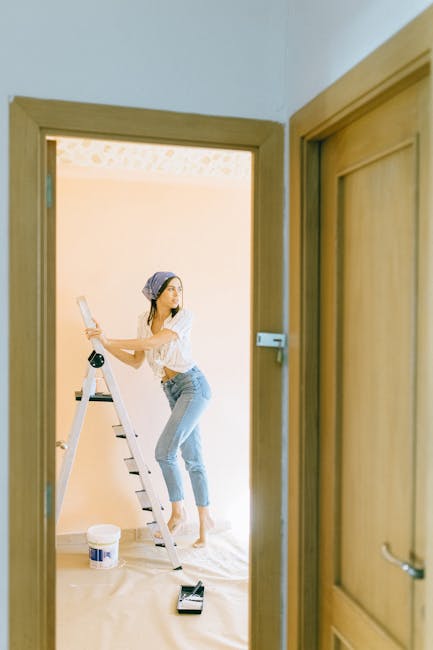
Moving out of a studio flat on Lee High Road can feel oddly intense. The space is small, but the logistics are not. Tight stairwells, awkward door frames, limited parking, and a surprising amount of stuff packed into one room can turn a simple relocation into a long day. That is exactly why Studio flat removals Lee High Road before and after matters: it shows what changes when the move is planned properly, packed efficiently, and handled with the right approach.
Before and after is not just about boxes and furniture. It is about the difference between a rushed move that leaves scuffs, stress, and missing screws, and a calm, organised transition where everything lands safely in the new place. In this guide, you will get a clear look at how studio flat removals work on Lee High Road, what to expect, where people usually go wrong, and how to make the whole process feel much more manageable. To be fair, a studio move can be small in square footage and still be a big job.
If you are comparing options or simply trying to get your head around the process, this article will help you make better decisions without the fluff. You will also find practical checklists, a comparison table, and a realistic before-and-after example based on the kind of situations local movers see every week.
Why Studio flat removals Lee High Road before and after Matters
Studio flats are deceptively compact. You look around and think, "How much can there really be?" Then you start moving things and realise the answer is: quite a lot. A bed base, mattress, wardrobe, desk, kitchen gear, clothes, small appliances, soft furnishings, and all the little items that make a flat feel like home. That density is the core reason a focused studio move is worth planning carefully.
On Lee High Road, the surrounding streets, parking patterns, and building layouts can make timing and access just as important as lifting strength. A move that seems fine on paper can quickly become awkward if there is nowhere to stop the van, a narrow staircase, or a tight corner that does not love a sofa. The before-and-after difference, in practical terms, is often about reducing friction. Before: clutter, uncertainty, wasted time. After: clear rooms, items loaded in the right order, and a flat that is ready to hand back or settle into.
There is also a financial angle. When a move is planned badly, people often pay with extra time, damaged items, or last-minute help they did not budget for. A studio flat move done properly can be leaner, quicker, and less chaotic. That matters if you are leaving at the end of a tenancy, moving between short lets, or trying to avoid losing a whole weekend to boxes and panic. If you want a broader feel for how the company approaches local jobs, the services overview is a useful place to start.
How Studio flat removals Lee High Road before and after Works
The process usually starts before anything is carried. Good removals are won in the planning stage, not at the front door. A proper studio move normally begins with a walk-through of the flat, a quick inventory, and a sense-check on access: stairs, lift size, parking, loading distance, and any awkward items that might need extra care. On a busy local road, those details matter more than people expect.
From there, the move is broken into practical stages. Items are grouped by room function or fragility, disassembled if needed, protected, and loaded in an order that saves time at the other end. That sounds obvious, but it is the difference between a pile of mixed-up boxes and a move that feels controlled. The "before" version often includes half-packed bags, loose kitchen items, and a few pieces of furniture that look more portable than they are. The "after" version should feel like a reset: clean, clear, and complete.
In a studio, the same item can require different handling depending on its size and shape. A mattress is simple until you need to get it through a shared hallway without dragging it. A desk is light enough to underestimate. A freezer, if present, needs careful defrosting and preparation well in advance. For more detail on one of the most common challenges, see how to relocate a bed and mattress properly.
That is why a good mover will not treat a studio flat as a "small job" in the careless sense. It is a small footprint with a lot of moving parts. Different, and a bit sneaky, really.
Key Benefits and Practical Advantages
The biggest benefit is simplicity. When a studio move is organised well, the whole experience becomes much less mentally noisy. You know what is happening, what goes where, and which items need attention first. For someone moving alone, or moving after a long day at work, that calm is worth a lot.
Another benefit is protection. Studio flats often contain items that are easy to damage because they are handled so often: monitors, shelves, mirrors, bedding, kitchen appliances, and soft furniture. When those items are wrapped and loaded thoughtfully, you reduce the chance of scratches, crushed corners, or broken fittings. That is especially helpful if you are storing anything temporarily. A useful guide on protecting upholstered items is expert long-term storage techniques for a sofa.
There is also the speed advantage. A studio move can be completed in far less time than a larger household relocation if the load is decluttered and prepared properly. And let's face it, fewer trips mean fewer chances for something to go missing under the bed or in the back of a cupboard. It happens.
Here are the practical gains people notice most often:
- Less stress on moving day
- Better use of van space
- Reduced handling damage
- Faster loading and unloading
- Cleaner handover at the old property
- Less downtime when settling into the new flat
That final point matters more than people think. A move is not finished when the van drives away. It is finished when you can find your kettle, your charger, and your clean socks without opening twelve boxes at random.
Who This Is For and When It Makes Sense
This kind of move is ideal for tenants, students, first-time movers, and anyone leaving a compact rental near Lee High Road. It also makes sense for people downsizing into a studio, moving between short-term lets, or needing help with a quick reset after a tenancy ends. If your flat contains a few bulky items but not a full household's worth of furniture, a studio-specific approach is usually the sweet spot.
It is also a good fit if access is tricky. Maybe the staircase is narrow, maybe the parking is awkward, or maybe you are on a street where loading has to be timed carefully. In those situations, a smaller, smarter move often beats a larger, less nimble one. If that sounds familiar, the article on narrow access solutions for Lee High Road flats will feel very relevant.
When does it make the most sense to book help? Usually when any of these apply:
- You have furniture that needs dismantling
- You are moving on a deadline
- You cannot safely move heavy items alone
- You need help carrying items down stairs
- You want the move completed in one organised trip
There is no prize for doing everything the hard way. Sometimes the smarter move is simply the one that keeps your back intact and your deposit safer.
Step-by-Step Guidance
The cleanest studio move follows a simple sequence. Keep it boring and methodical; boring is good on moving day.
1. Sort before you pack
Do a ruthless sweep through the flat. Keep, donate, recycle, bin, store. If you have not used something for a year and it is not seasonal, ask yourself if it deserves the ride to the new place. A good declutter makes every other step easier. There is a helpful article on decluttering effectively before a move if you want a practical method rather than vague advice.
2. Pack by function, not by mood
Kitchen with kitchen. Bathroom with bathroom. Bed linen together. Tech together. That sounds simple, but many people pack in whatever order they empty cupboards, and then spend the first evening searching for toothpaste. Pack a small essentials bag for the first 24 hours. Kettle, charger, toiletries, medication, and a change of clothes. You will thank yourself later.
3. Measure awkward items
Measure beds, wardrobes, desks, mirrors, and any item that might need to pass through a tight gap. In studio flats, one awkward corner can make or break a move. If furniture will not fit through the route, dismantling it before moving day is usually the sensible answer.
4. Check access and parking
Confirm where the van can stop, how long loading should take, and whether there are restrictions. It may sound tedious, but it avoids those annoying little delays that stretch a half-day move into an all-day one. Small thing, big difference.
5. Protect fragile items properly
Wrap mirrors, lamps, screens, and glassware in suitable materials. Do not just stuff them in a box and hope for the best. If you need guidance on protecting larger furniture, the page on furniture removals in Lee is a sensible related read.
6. Load in a logical order
Heavy, sturdy items first. Fragile items and essentials last, or in a clearly marked section. That way unloading is cleaner and you are not digging through a pile of chaos to find the one box you actually need.
7. Reset the flat after it is empty
Once the van leaves, check cupboards, windowsills, the bathroom, under the bed, and behind doors. People leave things behind in studio flats all the time because there are so many small hiding places. Then clean the property thoroughly if you are handing it back. For a detailed handover, the guide on move-out cleaning is worth a look.
Expert Tips for Better Results
Here is the part that makes a move feel smoother, not just survivable.
First, keep the "before" area clear. One small corner for items that are leaving, one for essentials, and one for things you still need today. In a studio, clutter spreads fast. Give everything a home, even if temporary.
Second, label for the unload, not just the pack. Instead of writing "miscellaneous" on a box, write where it belongs: kitchen, bedroom, cleaning kit, work items. The next day version of you will be calmer for it.
Third, dismantle earlier than you think. Bed frames, shelves, and desks are always more time-consuming than expected. Have a screwdriver, tape, and a small bag for screws ready. A tiny zip bag and a label can save a great deal of faff.
Fourth, do not overload boxes. Studio movers often make the same mistake: small flat, so everything goes in one box, and suddenly that box weighs a tonne. Books, crockery, and appliances should be packed carefully and sensibly. If you are packing from scratch, the article on streamlined packing methods gives a good rhythm to follow.
Fifth, ask for help with anything truly heavy. A washing machine, freezer, or bulky wardrobe is not a one-person hero moment. You do not earn extra points for improvising. If you are unsure about moving a heavier item safely, there is practical guidance in how to safely handle heavy objects solo and, better yet, consider professional support.
Sixth, keep your evening realistic. After a move, you may be tired, hungry, and mildly cross with cardboard. That is normal. Plan an easy dinner, make sure the kettle is accessible, and give yourself a soft landing.
Expert summary: the best studio flat move is usually the one that looks simple because the difficult parts were handled before moving day. Declutter early, protect the awkward items, and keep the essentials easy to reach.

Common Mistakes to Avoid
Most moving problems in studio flats come from underestimating the job. It's a classic. Small room, small job, right? Not quite.
Trying to do too much on the day. Packing, cleaning, dismantling, loading, and key handover all at once is how people end up frazzled. Separate the tasks where possible.
Leaving access checks until the last minute. If the van cannot park close enough, everything takes longer. That extra walking distance matters when you are carrying boxes up and down steps.
Overpacking boxes. This is one of the easiest ways to hurt yourself or damage what is inside. Keep the weight sensible. Your back will remember.
Not preparing appliances properly. Fridges and freezers need attention before the move, not during it. If you need to move a freezer, the article on storing a freezer correctly is a useful companion piece.
Forgetting tenancy details. If you are moving out, check what condition the property must be left in, what needs to be removed, and when keys must be returned. A good move-out clean and a tidy exit can save a lot of hassle later. That's not glamorous, but it matters.
Ignoring disposal rules. Bulky waste, recycling, and leftover items should be dealt with properly. For local guidance context, see bulky waste rules for local removals in Greenwich. Even if your exact situation differs, the basic lesson is the same: do not assume everything can just be left behind.
Tools, Resources and Recommendations
You do not need a van full of gadgets to complete a studio move, but a few simple tools make life easier.
- Strong cardboard boxes in mixed sizes
- Packing tape and a tape gun
- Marker pens for clear labels
- Furniture blankets or protective wraps
- Bubble wrap or paper for fragile items
- Zip bags for screws and small fittings
- Basic tools for dismantling furniture
- Gloves with grip for carrying awkward items
- Trolley or sack truck for heavier loads, if available
Useful reading on the same website can help you prepare in the right order. If you are still deciding how to approach the move, the man and van Lee page and the removals Lee page are sensible places to understand the wider service picture. If you are comparing cost expectations, the Lee removals cost guide is particularly helpful.
If you are moving valuables or specialist items, it is worth checking the relevant support pages as well. For example, the piano removals Lee page shows the kind of care applied to delicate heavy items, and the packing and boxes Lee page can help if you need materials rather than guesswork.
Law, Compliance, Standards, or Best Practice
Studio flat removals are not heavily regulated in the way some specialist industries are, but best practice still matters. In the UK, movers and customers generally expect items to be handled safely, property to be respected, and anything disposed of to be managed responsibly. If you are using a removal firm, it is reasonable to expect clear terms, sensible insurance arrangements, and safe working practices.
Best practice also includes honest communication about access, parking, and any fragile or awkward items before moving day. That reduces risk for everyone. It is also sensible to make sure valuables, passports, medication, and important paperwork stay with you rather than being mixed into general boxes. Common sense, yes, but easy to miss in the rush.
For moving day safety, consider whether the job involves lifting techniques, staircase hazards, or shared entrances. The article on kinetic lifting explains the basic idea behind safer movement and body position. If you are hiring help, it is also worth understanding the company's approach to insurance and safety, especially if your move includes fragile or high-value items.
And because trust matters, you can check the business background on the about us page, along with the terms and conditions, privacy policy, and recycling and sustainability pages. Those may not be the most exciting pages on the internet, granted, but they do tell you a lot about how a company operates.
Options, Methods, and Comparison Table
Not every studio move needs the same level of help. Some people only need a van and a couple of careful hands. Others need a more hands-on, full-service approach. Here is a simple comparison to help you think it through.
| Option | Best for | Pros | Trade-offs |
|---|---|---|---|
| Self-move | Very light loads, short distance, no bulky furniture | Lowest direct cost, full control | Highest physical effort, more risk of delays and damage |
| Man and van | Small studio flats, a few larger items, local relocation | Flexible, efficient, usually quicker than DIY | You still need to pack and prepare properly |
| Full removal service | Busy moves, awkward access, fragile items, time pressure | Less stress, more support, better handling of heavy items | Typically costs more than a basic van-only option |
For many Lee High Road studio flats, the middle option works well. It keeps things practical without overcomplicating the move. If you are moving on a tight schedule, the same day removals Lee page may also be worth a look. If your move is connected to study or seasonal accommodation, student removals Lee can be relevant too.

Case Study or Real-World Example
Here is a realistic example of how a studio flat move on Lee High Road can unfold.
Before: A tenant in a second-floor studio has a bed frame, mattress, small sofa, desk, two shelves, three suitcases, kitchen boxes, and a freezer that needs special attention. The flat is tidy in the everyday sense, but the exit route is awkward and the items are mixed between rooms. A few boxes are half-packed. There is no clear plan for what leaves first.
During: The bed is dismantled early, screws are bagged and labelled, and fragile items are set aside separately. Boxes are grouped by room. Parking is checked in advance, so the loading route is short. The mattress is protected before it leaves the flat, and the sofa is handled carefully through the doorway rather than rushed. The freezer is prepared in advance, not on the morning of the move. No drama. Well, almost no drama.
After: The old studio is cleared, the final walk-through takes only a few minutes, and the tenant can hand back the keys without scrambling around for stray chargers or missing documents. The new space is unpacked in a logical order. First bed, then kitchen basics, then work items. By evening, the flat feels liveable instead of boxed-in. That is the real "after" people want.
What stands out in this kind of move is not just the saved time, but the reduced mental load. The job still takes effort, obviously. But it feels contained. That is a major difference.
Practical Checklist
Use this simple checklist to keep the move on track:
- Declutter before packing starts
- Separate essentials for the first 24 hours
- Label every box clearly
- Dismantle furniture early
- Measure awkward items and doorways
- Check parking and access arrangements
- Protect mirrors, screens, and glass carefully
- Prepare appliances like freezers in advance
- Keep valuables and documents with you
- Do a full final sweep of the studio before leaving
- Arrange cleaning if you are handing the flat back
- Review costs, terms, and service details before booking
If you want a calmer move from the start, it can also help to read preparing for a house move without anxiety. It is not just about being organised. It is about not letting the move take over your whole week.
Conclusion
Studio flat removals on Lee High Road are rarely as simple as people hope, but they are very manageable when approached properly. The difference between the before and after is mostly about preparation: clear sorting, smart packing, realistic timing, and careful handling of the items that can turn awkward fast. Once those pieces are in place, the move starts to feel less like a scramble and more like a well-run transition.
If you are moving out of a compact flat, especially on a busy road or in a building with limited access, give yourself the advantage of planning ahead. It saves energy, protects your belongings, and makes the handover at the other end much easier. And honestly, there is something lovely about walking into a new space with everything arriving in order. Quiet. Clean. Ready.
Get a free quote today and see how much you can save.
For tailored support or to talk through your move in more detail, the best next step is to review the available options and reach out when you are ready. A little preparation now can make moving day feel much lighter.

